The San Marcos juvenile court lawyers at Fischer & Van Thiel represent families throughout North County San Diego facing juvenile delinquency charges, dependency proceedings, and school expulsion hearings. Our 57 years of combined family law experience includes handling juvenile matters in Vista's North County Superior Court, where San Marcos cases are heard.
California's juvenile court system operates under different rules than adult criminal court, focusing on rehabilitation rather than punishment. We explain these procedures in plain language, protect your child's rights at every hearing, and pursue outcomes that minimize long-term consequences to education and future opportunities.
Schedule a consultation at (760) 722-7669 to discuss your situation.
Why Choose Fischer & Van Thiel for Juvenile Court Defense in San Marcos
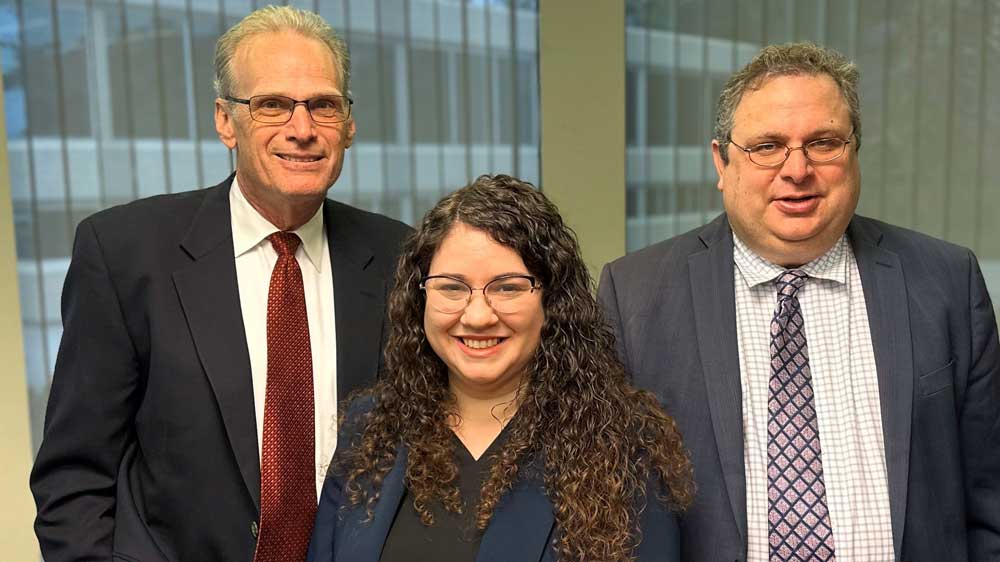
Juvenile court cases move quickly, and decisions made at early hearings shape everything that follows.
Our "Family First" approach means we understand that the child sitting in juvenile court is someone's son or daughter facing consequences that might follow them for years.
Key advantages of working with our San Marcos juvenile court defense team include:
- Exclusive Family Law Focus with Juvenile Court Experience: Our attorneys handle juvenile delinquency cases, dependency proceedings, and related family law matters that often intersect with juvenile court involvement, including custody modifications when parents face CPS allegations and guardianship proceedings for teens in state care.
- Vista Court System Knowledge: San Marcos juvenile cases are heard at the North County Superior Court in Vista. Our familiarity with local juvenile court judges, prosecutors, probation officers, and court procedures gives us practical advantages when negotiating diversion programs, informal supervision, or alternative sentencing options.
- Bilingual Legal Support: North County San Diego's diverse community deserves accessible legal representation. Our team provides services in English and Spanish, ensuring clear communication with families from various backgrounds during stressful juvenile court proceedings.
- Record Sealing and Long-Term Planning: Many parents don't realize juvenile records don't automatically disappear at age 18. We pursue record sealing under California law whenever possible and advise families on protecting college applications, military enlistment, and future employment opportunities.
Whether your child faces first-time shoplifting charges or serious allegations requiring detention hearings, our team provides honest assessments and strategic defense. Contact us today at (760) 722-7669 to protect your child's future.
Common Juvenile Charges in San Marcos and North County San Diego

Local law enforcement agencies, school resource officers, and retail security in San Marcos refer various cases to juvenile court each year.
Common juvenile charges our San Marcos attorneys see are:
Shoplifting and petty theft from local retailers represent the most frequent juvenile charges in San Marcos. First-time offenders often qualify for diversion programs requiring community service, theft awareness classes, and restitution to the victim rather than formal adjudication.
School-related offenses, including fights, threats made through social media, weapon possession, and drug activity on campus, trigger both juvenile court petitions and school disciplinary proceedings that might result in suspension or expulsion. Coordinating legal defense with school hearings protects both criminal records and educational continuity.
Underage alcohol possession, marijuana possession, and minor in possession of alcohol (MIP) charges occur frequently at San Marcos parties, local parks, and school events. These cases sometimes resolve through diversion programs emphasizing education about substance abuse rather than formal probation.
Vandalism, graffiti, and property damage charges affect juveniles who damage school property, deface public spaces, or damage private property during teenage conflicts. Restitution to victims combined with community service often satisfies the court's rehabilitation goals for first-time property offenses.
California's Juvenile Delinquency Court System
Juvenile delinquency proceedings address allegations that a minor committed a crime. California Welfare and Institutions Code Section 602 governs these cases, which range from misdemeanor offenses like petty theft and vandalism to serious felonies including assault, drug sales, and weapons charges. The juvenile court's focus emphasizes rehabilitation through counseling, education, and community service rather than incarceration in adult facilities.
What Are Juvenile Dependency Cases?
While also under the juvenile court system umbrella, dependency proceedings involve allegations of abuse, neglect, or abandonment requiring court intervention to protect the child's welfare. California Welfare and Institutions Code Section 300 authorizes the court to remove children from parental custody when safety concerns exist, though family reunification remains the primary goal whenever possible.
The Juvenile Court Process in San Diego County
Understanding what happens at each stage helps families prepare for juvenile court proceedings and make informed decisions about defense strategies.
Key stages in juvenile delinquency cases include:
- Arrest and Detention: When law enforcement arrests a minor, they decide whether to release the child to parents or hold them in juvenile hall pending a detention hearing. Parents receive notification and may attend the detention hearing, where a judge determines whether continued detention serves the minor's welfare or public safety.
- Detention Hearing: This initial court appearance occurs within 48 hours of arrest, excluding weekends and holidays. The judge reviews the petition allegations, hears from probation and defense counsel, and decides whether the minor returns home or remains detained until the jurisdictional hearing.
- Jurisdictional Hearing: Similar to a trial in adult court, this hearing determines whether allegations in the petition are true. The prosecution presents evidence, witnesses testify, and the defense challenges the case. Judges, not juries, decide juvenile cases in California.
- Dispositional Hearing: If the court finds the allegations to be true, a separate hearing addresses the consequences. Options include informal probation, formal probation with specific conditions, placement in a group home or camp program, or commitment to the Division of Juvenile Justice for serious offenses.
Throughout the process, probation officers compile reports recommending dispositions based on the minor's background, school performance, family support, and prior record.
California Juvenile Record Sealing: Protecting Your Child's Future

Many parents believe juvenile records automatically disappear when their child turns 18, but California law requires active petitions to seal records under specific circumstances.
California Welfare and Institutions Code Section 781 allows individuals to petition for juvenile record sealing after satisfactory completion of probation or after turning 18. Successfully sealed records do not appear in background checks for employment, housing, or education, giving young adults a clean slate as they build their futures.
Eligibility requirements include satisfactory probation completion, no subsequent criminal convictions, and no pending charges. Certain serious offenses face restrictions on sealing, including murder, rape, and other violent felonies.
Record sealing provides significant benefits for college applications, financial aid eligibility, military enlistment, professional licensing, and employment opportunities.
Our trusted juvenile court attorneys evaluate sealing eligibility during initial consultations and pursue petitions as soon as clients qualify under California law.
FAQ for San Marcos Juvenile Court Lawyers
Will My Child Get a Permanent Criminal Record from Juvenile Court?
Juvenile adjudications differ from adult criminal convictions. When a judge sustains allegations in juvenile court, the minor becomes a ward of the court rather than receiving a criminal conviction. However, juvenile records still appear in background checks unless sealed under California law.
Can My Child Go to Jail for a First Offense in California?
California juvenile courts emphasize rehabilitation over incarceration for first-time offenders. Most minors with no prior record remain home on informal supervision or receive probation with community service, counseling, and education requirements. Detention in juvenile hall typically occurs when the offense involves serious violence, weapons, or when the minor poses a flight risk or danger to others.
What Should I Do Immediately After My Child's Arrest in San Marcos?
First, remain calm and avoid discussing the case with law enforcement or probation officers without legal representation present. Anything your child says may be used against them in court proceedings. Attend all court hearings, gather character references from teachers or coaches, and document your child's positive activities and school performance.
Protecting Your Child's Future Starts Now
Juvenile court proceedings shape your child's education, opportunities, and future in ways that last far beyond age 18. Fischer & Van Thiel understands that good kids make mistakes, and one poor decision shouldn't derail their entire life trajectory. Our compassionate approach balances aggressive defense of your child's rights with realistic guidance about cooperation, accountability, and rehabilitation that judges respect.
Our San Marcos juvenile court lawyers provide experienced representation grounded in 57 years of combined family law experience. We handle every aspect of juvenile defense, from initial detention hearings through disposition, probation compliance, and eventual record sealing.
Call (760) 722-7669 today to schedule your consultation with a San Marcos juvenile court lawyer. We're available around the clock by appointment, phone, and video to discuss your situation and explain how experienced legal representation protects your child's future during this frightening time for your family.
Call a San Marcos Juvenile Court Lawyer today at Fischer & Van Thiel